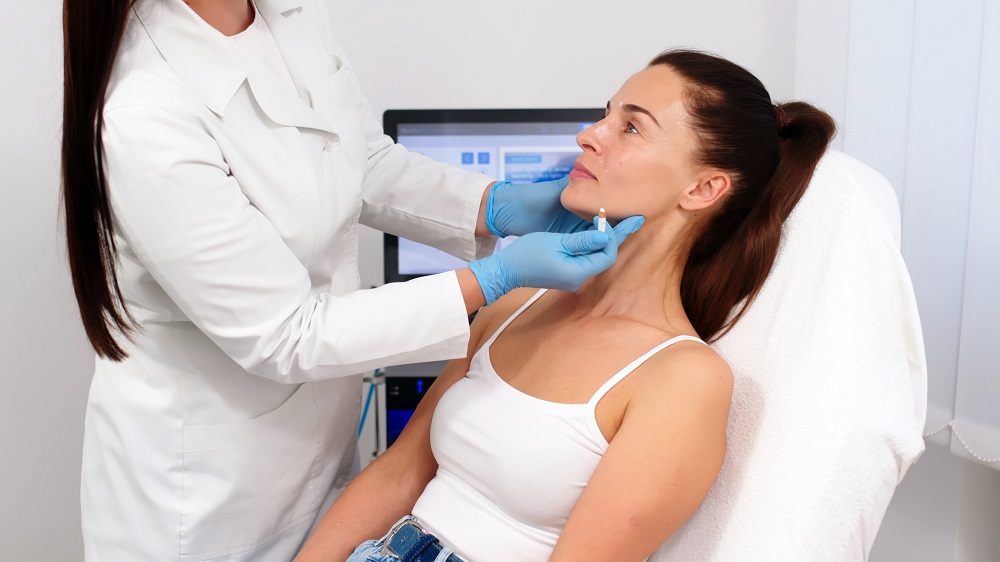
Facial appearance naturally changes with age as skin loses elasticity, tissues shift, volume may decrease in certain areas, and fine lines and wrinkles become more noticeable. These changes can affect the contours and definition of the face, particularly around the cheeks and jawline. Facelift surgery is one approach used to address some of these concerns by repositioning facial tissues and removing excess skin. Understanding what the procedure involves and what recovery looks like can help people make informed decisions about their options.
What Is Facelift Surgery?
A facelift, also known as rhytidectomy, is a surgical technique intended to enhance visible signs of facial aging. It generally focuses on areas such as the lower face and jawline, depending on the technique used and the individual’s needs. During surgery, the underlying tissues may be repositioned while excess skin is removed to create a smoother and more defined appearance. The exact approach varies based on facial structure and the changes a person hopes to address. A facelift does not stop the natural aging process, but its effects may provide longer-lasting changes than many nonsurgical treatments. A consultation with a qualified surgeon is important for understanding the procedure and determining if it fits a person’s goals.
What Concerns Can a Facelift Address?
Facelift surgery may address several visible changes associated with facial aging. Loose skin along the lower face can contribute to less-defined facial contours, while changes in underlying tissues may affect the appearance of the cheeks and jawline. The procedure may also improve the appearance of folds and sagging around the lower portion of the face. These changes can sometimes make the face appear less defined or more tired than a person feels.
In some cases, the neck is treated as part of the surgical plan when loose skin or reduced definition extends below the jaw. Addressing these areas together may help create a more balanced appearance between the lower face and neck. A facelift generally does not target every sign of aging, particularly changes around the forehead or eyelids. Other procedures may be considered separately when concerns involve areas outside the typical focus of a facelift.
What Are the Potential Benefits of a Facelift?
A potential benefit of facelift surgery is a refreshed appearance that remains consistent with a person’s natural facial characteristics. By addressing changes in the underlying facial tissues, the procedure may help create a more harmonious overall appearance rather than simply changing the surface of the skin. Some people may appreciate that the results are intended to complement their existing features instead of creating a noticeably different look.
Facelift surgery may also provide longer-lasting results compared with some temporary cosmetic treatments, making it an option for those looking for a more lasting change. The procedure may help restore a sense of balance to facial proportions as age-related changes become more noticeable. The outcome can vary based on factors such as skin quality, facial anatomy, surgical technique, and individual healing.
Discussing personal goals and expectations with a qualified surgeon can help provide a clearer understanding of the potential outcome. This conversation also gives patients an opportunity to learn about the procedure and decide if its potential benefits align with what they hope to achieve.
How Do You Choose the Right Surgical Approach?
There is no single facelift technique that is appropriate for every person. Surgeons consider several factors when developing a surgical plan, including the areas showing signs of aging, the condition of the skin, the underlying facial tissues, and the individual’s desired outcome. Some approaches focus mainly on the lower face, while others may also address the neck or involve different incision patterns. A person’s facial structure and previous procedures may also influence which technique is considered most suitable.
Consulting with an aesthetic clinic like Sandeen & Lee, where facelift surgery is among the available treatment options, provides an opportunity to discuss individual concerns and expectations. During the consultation, the surgeon can assess facial anatomy to determine and explain the available approaches and discuss what each option is designed to address. This personalized planning helps ensure that the recommended technique is based on the individual’s needs rather than a standard approach.
What Should You Expect During Recovery?
Recovery after a facelift varies from person to person and depends on the extent of the surgery. The early healing period often involves temporary changes as the treated areas begin to settle. Patients receive personalized guidance from their surgical team to help them care for the treated areas and manage their recovery. Strenuous activities may need to be limited while the tissues heal, even as swelling and discomfort gradually improve. Following the surgical team’s guidance can support proper healing and help the recovery process progress as expected.
Why Are Realistic Expectations Important?
A facelift can create meaningful changes, but it does not produce permanent freedom from facial aging. Skin and underlying tissues continue to change naturally after surgery, and individual results vary. A successful outcome is generally based on improvement rather than achieving an entirely different appearance. Discussing desired changes openly with a surgeon can help establish realistic expectations before treatment.
It is also important to have a clear understanding of what the procedure may involve and how it could affect your recovery and overall experience. Taking time to discuss these considerations with a qualified surgeon can help patients feel more prepared and make a thoughtful decision about facelift surgery.
Final Thoughts
Deciding to undergo facelift surgery is a personal choice that requires careful consideration. Learning how the procedure works and what the recovery process may involve provides a useful foundation for making that decision. A consultation gives patients an opportunity to ask questions and discuss their specific facial concerns with a qualified surgeon. It also allows them to gain a clearer understanding of the recommended approach and what they may expect from treatment. Rather than focusing only on the expected appearance after surgery, it is helpful to consider the experience as a whole. With realistic expectations and appropriate professional guidance, patients can make a decision that feels right for their individual goals.
 Zenvia
Leave a comment