
Blog

  • Understanding Facelift Surgery and Its Potential Benefits

    Understanding Facelift Surgery and Its Potential Benefits

    Facial appearance naturally changes with age as skin loses elasticity, tissues shift, volume may decrease in certain areas, and fine lines and wrinkles become more noticeable. These changes can affect the contours and definition of the face, particularly around the cheeks and jawline. Facelift surgery is one approach used to address some of these concerns by repositioning facial tissues and removing excess skin. Understanding what the procedure involves and what recovery looks like can help people make informed decisions about their options.

    What Is Facelift Surgery?

    A facelift, also known as rhytidectomy, is a surgical technique intended to enhance visible signs of facial aging. It generally focuses on areas such as the lower face and jawline, depending on the technique used and the individual’s needs. During surgery, the underlying tissues may be repositioned while excess skin is removed to create a smoother and more defined appearance. The exact approach varies based on facial structure and the changes a person hopes to address. A facelift does not stop the natural aging process, but its effects may provide longer-lasting changes than many nonsurgical treatments. A consultation with a qualified surgeon is important for understanding the procedure and determining if it fits a person’s goals.

    What Concerns Can a Facelift Address?

    Facelift surgery may address several visible changes associated with facial aging. Loose skin along the lower face can contribute to less-defined facial contours, while changes in underlying tissues may affect the appearance of the cheeks and jawline. The procedure may also improve the appearance of folds and sagging around the lower portion of the face. These changes can sometimes make the face appear less defined or more tired than a person feels.

    In some cases, the neck is treated as part of the surgical plan when loose skin or reduced definition extends below the jaw. Addressing these areas together may help create a more balanced appearance between the lower face and neck. A facelift generally does not target every sign of aging, particularly changes around the forehead or eyelids. Other procedures may be considered separately when concerns involve areas outside the typical focus of a facelift.

    What Are the Potential Benefits of a Facelift?

    A potential benefit of facelift surgery is a refreshed appearance that remains consistent with a person’s natural facial characteristics. By addressing changes in the underlying facial tissues, the procedure may help create a more harmonious overall appearance rather than simply changing the surface of the skin. Some people may appreciate that the results are intended to complement their existing features instead of creating a noticeably different look.

    Facelift surgery may also provide longer-lasting results compared with some temporary cosmetic treatments, making it an option for those looking for a more lasting change. The procedure may help restore a sense of balance to facial proportions as age-related changes become more noticeable. The outcome can vary based on factors such as skin quality, facial anatomy, surgical technique, and individual healing.

    Discussing personal goals and expectations with a qualified surgeon can help provide a clearer understanding of the potential outcome. This conversation also gives patients an opportunity to learn about the procedure and decide if its potential benefits align with what they hope to achieve.

    How Do You Choose the Right Surgical Approach?

    There is no single facelift technique that is appropriate for every person. Surgeons consider several factors when developing a surgical plan, including the areas showing signs of aging, the condition of the skin, the underlying facial tissues, and the individual’s desired outcome. Some approaches focus mainly on the lower face, while others may also address the neck or involve different incision patterns. A person’s facial structure and previous procedures may also influence which technique is considered most suitable.

    Consulting with an aesthetic clinic like Sandeen & Lee, where facelift surgery is among the available treatment options, provides an opportunity to discuss individual concerns and expectations. During the consultation, the surgeon can assess facial anatomy to determine and explain the available approaches and discuss what each option is designed to address. This personalized planning helps ensure that the recommended technique is based on the individual’s needs rather than a standard approach.

    What Should You Expect During Recovery?

    Recovery after a facelift varies from person to person and depends on the extent of the surgery. The early healing period often involves temporary changes as the treated areas begin to settle. Patients receive personalized guidance from their surgical team to help them care for the treated areas and manage their recovery. Strenuous activities may need to be limited while the tissues heal, even as swelling and discomfort gradually improve. Following the surgical team’s guidance can support proper healing and help the recovery process progress as expected.

    Why Are Realistic Expectations Important?

    A facelift can create meaningful changes, but it does not produce permanent freedom from facial aging. Skin and underlying tissues continue to change naturally after surgery, and individual results vary. A successful outcome is generally based on improvement rather than achieving an entirely different appearance. Discussing desired changes openly with a surgeon can help establish realistic expectations before treatment.

    It is also important to have a clear understanding of what the procedure may involve and how it could affect your recovery and overall experience. Taking time to discuss these considerations with a qualified surgeon can help patients feel more prepared and make a thoughtful decision about facelift surgery.

    Final Thoughts

    Deciding to undergo facelift surgery is a personal choice that requires careful consideration. Learning how the procedure works and what the recovery process may involve provides a useful foundation for making that decision. A consultation gives patients an opportunity to ask questions and discuss their specific facial concerns with a qualified surgeon. It also allows them to gain a clearer understanding of the recommended approach and what they may expect from treatment. Rather than focusing only on the expected appearance after surgery, it is helpful to consider the experience as a whole. With realistic expectations and appropriate professional guidance, patients can make a decision that feels right for their individual goals.

  • How Gastric Bypass Can Support Long-Term Weight Loss

    How Gastric Bypass Can Support Long-Term Weight Loss

    For individuals struggling with obesity, achieving lasting weight loss often requires more than traditional diet and exercise alone. Gastric bypass is a well-established weight loss procedure that helps support long-term results by changing how the body processes food and encouraging healthier eating habits.

    Although the surgery plays an important role, lasting success depends on a combination of healthy lifestyle choices and ongoing commitment after the procedure. Below are some of the key ways gastric bypass can support long-term weight loss while promoting healthier habits and improved overall well-being.

    Sustainable Weight Loss That Lasts

    One of the greatest advantages of gastric bypass is its ability to promote steady weight loss that can be maintained over time. By creating a smaller stomach pouch, the procedure helps people feel satisfied after eating smaller portions, making portion control more manageable throughout the day. Changes to the digestive system also reduce the number of calories the body absorbs from food, providing additional support for weight management.

    As eating habits gradually change, many patients become more aware of meal timing and portion sizes. This increased awareness often leads to healthier decisions that support continued progress long after recovery. Regular follow-up appointments and nutritional guidance help patients stay on track while addressing any concerns that arise during their journey.

    Research has shown that individuals who remain committed to recommended lifestyle changes often maintain a significant portion of their weight loss for many years. While the surgery provides an effective tool, long-term success comes from building daily habits that reinforce its benefits. Those habits become even more effective when paired with a balanced lifestyle that supports overall health.

    Lifestyle Changes That Make the Difference

    Gastric bypass delivers the best long-term results when healthy lifestyle habits become part of everyday life. Patients are encouraged to follow balanced meal plans that include lean proteins and whole grains while limiting foods high in sugar and unhealthy fats. Staying hydrated throughout the day also supports digestion and overall wellness.

    Regular exercise helps preserve muscle mass and contributes to ongoing weight management. Routine medical appointments allow healthcare providers to monitor nutritional needs and recommend adjustments when necessary. Patients who undergo gastric bypass surgery through Ultimate Bariatrics also receive guidance on the importance of consistent follow-up care and healthy lifestyle habits that support long-term success.

    Together, these daily choices create a routine that not only helps maintain weight loss but also supports lasting improvements in overall health.

    Health Benefits Beyond Weight Loss

    The positive effects of gastric bypass often extend well beyond changes on the scale. Many individuals experience improvements in obesity-related conditions such as high blood pressure and type 2 diabetes as excess weight decreases. Better physical health can also make everyday activities feel easier, allowing patients to enjoy greater mobility and increased independence. Reduced stress on the joints often makes walking and participating in recreational activities more comfortable.

    As energy levels improve, many people find it easier to stay active and remain consistent with healthy habits. Increased confidence and improved physical comfort can also contribute to a better quality of life, making daily routines more enjoyable. Although individual experiences vary, these lasting health improvements often reinforce the value of maintaining healthy choices after surgery. Continuing these habits helps preserve both weight loss and the broader health benefits achieved over time.

    Long-Term Success After Surgery

    Maintaining long-term weight loss requires ongoing commitment well after the initial recovery period. Following nutritional recommendations helps ensure the body receives essential vitamins and protein needed for overall health. Planning meals in advance can reduce the temptation to return to unhealthy eating patterns, while regular physical activity continues to support weight management and overall fitness.

    Emotional well-being also plays an important role, making support groups or counseling beneficial for some individuals during their journey. Staying connected with healthcare providers allows nutritional concerns and lifestyle challenges to be addressed early, helping patients continue moving toward their long-term goals.

    Conclusion

    Gastric bypass can be a valuable tool for individuals seeking lasting weight loss and better overall health. Its benefits extend beyond reducing food intake by encouraging healthier eating habits and supporting meaningful lifestyle changes. Lasting success depends on combining the procedure with proper nutrition and ongoing medical guidance.

    As these habits become part of everyday life, patients are better positioned to maintain their progress and continue improving their well-being. With consistent effort and long-term commitment, gastric bypass can help individuals achieve healthier, more sustainable outcomes.

  • Making Complex Dental Procedures Comfortable With IV Sedation

    Making Complex Dental Procedures Comfortable With IV Sedation

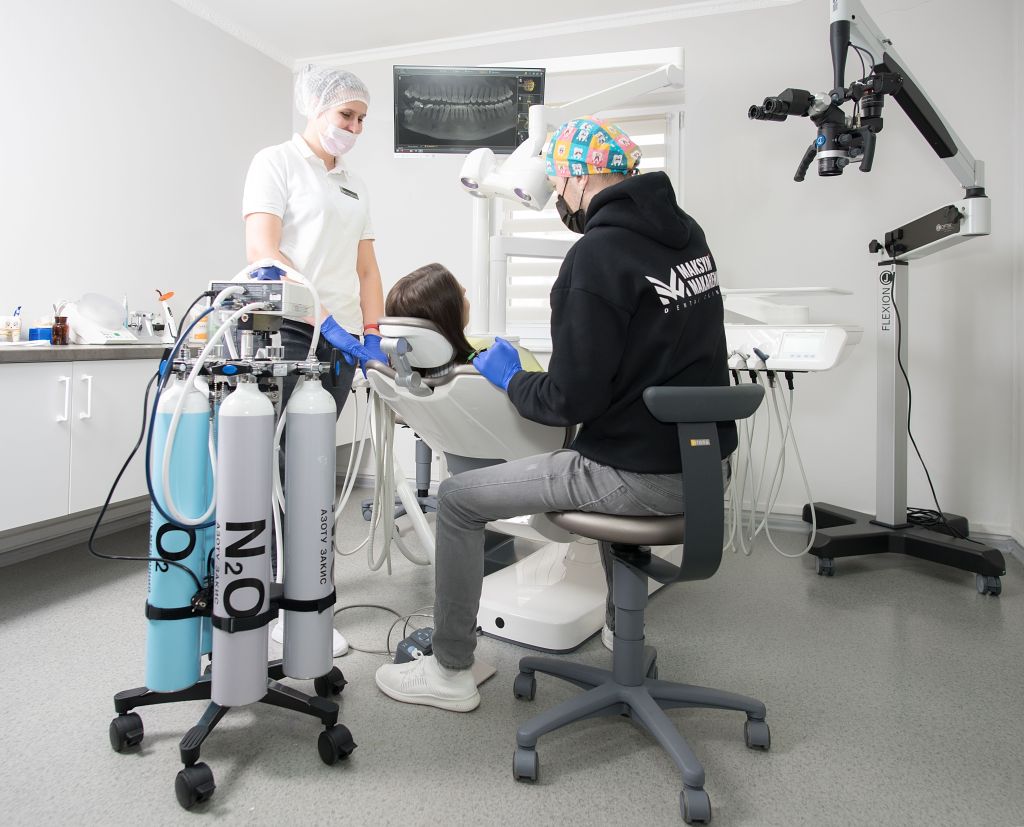
    Some dental work goes well beyond a quick cleaning. Long surgeries, multiple extractions, full-mouth restorations that can take hours in the chair, and for a lot of people that thought alone is enough to put off care for years.

    That is where deeper sedation changes the picture. It helps patients sit through demanding procedures without the fear and discomfort that often come with them. Understanding how it works can make the idea of complex treatment feel a whole lot less intimidating.

    Why Complex Procedures Call for Deeper Comfort

    Bigger dental procedures ask a lot of a patient. Holding the mouth open for an hour or more, hearing the sounds of the tools, and feeling the pressure of the work can wear down even calm people, and for someone who already dreads the dentist, those same factors can feel overwhelming. The body tenses up, the mind races, and what should be routine care turns into a stressful ordeal. A deeper level of relaxation gives those patients a way to get the treatment they need without white-knuckling through every minute of it.

    How IV Sedation Keeps Patients at Ease

    With this method, medication is delivered straight into the bloodstream through a small line in the arm or hand. Because it goes directly into the system, it works quickly and keeps patients in a deeply relaxed state for as long as the procedure requires. Many people who choose IV sedation remember little to nothing about the appointment afterward.

    The patient stays responsive enough to breathe on their own and follow simple directions, but the worry melts away. Time seems to pass in a blink, so a two-hour surgery can feel like it took only a few minutes. That sense of distance from the experience is a big part of why it works so well for harder cases.

    What Sets It Apart From Lighter Options

    There are gentler ways to take the edge off, like laughing gas or a pill taken before the visit. Those work fine for mild nerves or shorter appointments, but they have limits when the work gets serious.

    Deeper sedation reaches a level the lighter choices cannot match. It controls anxiety more fully and lasts through longer, more involved treatment without wearing off in the middle. For a patient facing several procedures at once, that staying power can mean finishing everything in a single visit instead of spreading it across many.

    How Dentists Keep the Process Safe

    Safety sits at the center of how this care is handled. Before anything begins, the dental team reviews the patient’s health history, current medications, and any conditions that might affect how the body responds. That step helps them tailor the approach to each person.

    During the appointment, the team keeps a close watch on heart rate, breathing, and oxygen levels the entire time. Trained staff stay nearby and ready to adjust as needed.

    That way the patient can relax knowing they are being looked after from start to finish. This careful monitoring is what allows even nervous patients to feel confident going in.

    What Recovery Tends to Look Like

    The effects do not vanish the second the work is done, so a little planning helps. Patients are asked to bring someone who can drive them home, since the medication lingers in the body for a while and makes it unsafe to get behind the wheel.

    Most people feel groggy for the rest of the day and do best resting at home. By the next morning, that fog usually clears and they are back to their normal routine. Compared to the dread that often comes before a big procedure, the recovery side tends to feel surprisingly easy.

    Conclusion

    Complex dental work does not have to be something patients fear or avoid. With the right kind of sedation, even long and involved treatments can pass in comfort, often without much memory of the appointment at all. For people who have been putting off care because the procedure feels like too much, this approach offers a real way forward. It turns hours of hard dental work into something manageable, and it gives anxious patients the chance to finally take care of their smile. A conversation with a trusted dentist is the best first step toward finding out whether it is the right fit.

  • What to Expect During Your First Visit to a San Diego Hair Salon

    What to Expect During Your First Visit to a San Diego Hair Salon

    If you’re planning your first visit to a hair salon in San Diego, chances are you’re feeling a mix of excitement and uncertainty. Whether you’re going in for a major transformation or just a routine trim, knowing what to expect can help make the experience smoother—and even enjoyable.

    Key Takeaways:

    • Consultations are usually complimentary and highly recommended.
    • San Diego salons often specialize in modern, beachy styles.
    • Bring pictures to help communicate your style goals.
    • Don’t be afraid to ask questions about products and techniques.
    • Tipping 15–20% is standard practice.

    Your Consultation Sets the Tone

    When you walk into a San Diego salon, the first step is usually a consultation. This is your chance to talk openly with your stylist about your hair goals, past experiences, and any concerns. Good salons will listen carefully, assess your hair type, and make realistic recommendations based on your face shape, lifestyle, and preferences.

    San Diego Style: Easy, Breezy, and Trendy

    San Diego has its own beauty vibe—think effortless waves, sun-kissed highlights, and low-maintenance styles that thrive in the city’s warm, coastal climate. Stylists here often specialize in balayage, lived-in color, and textured cuts that grow out gracefully.

    Communication is Key

    Don’t hesitate to bring inspiration photos to your appointment. Visuals can help bridge the gap between what you say and what the stylist envisions. And if you’re not sure what you want? A good stylist will offer suggestions based on what suits you best.

    Aftercare and Products

    Expect some product recommendations after your service. While there’s no pressure to buy, stylists often suggest specific shampoos or treatments to help maintain your look. If you’re unsure, ask for a sample or for alternatives that fit your budget.

    Final Thoughts

    Visiting a San Diego hair salon for the first time shouldn’t be intimidating. With friendly professionals, laid-back energy, and a focus on healthy, natural hair, you’ll likely leave feeling confident and refreshed.

    Frequently Asked Questions

    1. How much should I tip at a San Diego salon?
    Tipping 15–20% of your total bill is standard and appreciated.

    2. How long does a typical appointment take?
    For a cut and style, plan on 45 minutes to an hour. Color treatments may take longer.

    3. Should I wash my hair before my appointment?
    It’s usually best to come with clean, dry hair—unless the salon advises otherwise.

    4. Do San Diego salons offer eco-friendly or vegan products?
    Many do! Ask ahead of time or during your visit if you prefer sustainable options.

    5. Is it okay to bring a friend or child with me?
    Some salons allow guests, while others prefer appointments to be solo. It’s best to check in advance.

    This post was written by a professional at Unplugged Headspa. Unplugged is your destination for authentic Japanese head spa experiences and expert hair services. We specialize in scalp massage, hair detox, and relaxation rituals rooted in traditional Japanese healing practices. Alongside our signature head spa, we offer professional men’s and women’s haircuts, precision styling, and hair maintenance services. Our team focuses on personalized care, premium products, and a soothing environment that promotes scalp health, stress relief, and refreshed, healthy hair. Whether you need a calming escape or a fresh new cut, Unplugged is the place to disconnect and recharge. Click here to learn more today!

  • The Benefits of Raw Cannabis: Why THCA Matters

    When people think about cannabis, they usually picture dried flowers or pre-rolls. But there’s a whole other side to it that doesn’t involve sparking up—raw cannabis. Yep, we’re talking about the plant before it’s ever heated. Why does this matter? Because raw cannabis is packed with a compound called THCA, which may be one of the most underrated cannabinoids out there.

    What Makes THCA in Raw Cannabis So Special?

    In its raw form, cannabis contains almost no THC. Instead, it holds THCA (tetrahydrocannabinolic acid), which is non-psychoactive. That means no “high,” no altered perception—just the plant in its natural, untouched state. When cannabis is heated (think smoking, vaping, or cooking), THCA turns into THC. But before that happens, THCA has some pretty intriguing properties of its own.

    At Uplift CBD, we’ve seen more and more customers looking to explore these natural compounds without the heavy effects of THC. That’s where raw cannabis and THCA shine.

    Potential Benefits Without the Buzz

    You might be wondering, “Why would I want cannabis that doesn’t get me high?” Great question. While research on THCA is still in its early stages, initial studies and user experiences suggest that it may offer benefits such as reduced inflammation, support for joint mobility, and a calm, clear-headed state. It’s kind of like cannabis in its purest, gentlest form.

    Plus, if you’re sensitive to THC or just not into the psychoactive experience, THCA might be a perfect fit.

    How to Use Raw Cannabis with THCA

    You don’t need to spark anything up to enjoy raw cannabis. Some people juice fresh cannabis leaves, others mix raw flower into smoothies, or even sprinkle it onto salads. Of course, for quality and safety, it’s important to start with premium, lab-tested products—like what we offer here at Uplift CBD.

    If you’re curious about trying raw cannabis or learning more about how THCA works, our team is happy to help. Just give us a shout at 727-498-8543, and we’ll walk you through it.

    THCA, Naturally at Uplift CBD

    Bottom line: raw cannabis isn’t just trendy—it’s functional. With THCA leading the way, it’s a smart option for those looking to explore cannabis wellness without the high. At Uplift CBD, we’re proud to offer products that support that journey—natural, honest, and always top quality.

    This article was written by a CBD Specialist at Uplift CBD. At Uplift CBD, we strive to provide our customers with the highest level of satisfaction by providing the best quality products.

    We source our naturally occurring cannabinoids from only premium USA hemp farms. Our THCA Pound is hand-made and carefully formulated to promote a legal, safe alternative to Delta 9 marijuana. They are grown and extracted in the USA. Because our CBD products are 100% natural and derived from the Non-GMO industrial hemp plant, they are legal for sale across all 50 states of the USA. Independently lab tested for purity and concentration; no other company has the quality and quantity of natural cannabinoids in our products for the same value! Shop our products today!

  • Is THCA Legal in Florida? Utoya Explains What the Law Really Says

    Is THCA Legal in Florida? Utoya Explains What the Law Really Says

    If you’ve been searching “Is THCA Legal in Florida?” you’re not alone. At Utoya, we get that question often—especially in the middle of conversations about cannabis trends. So, let’s break it down clearly and casually.

    What Is THCA, And How Does Florida View It?

    You might be wondering: what exactly is THCA? It’s the raw, non-psychoactive precursor to THC, found in fresh cannabis. When heated, it turns into the familiar compound that produces that signature high. But here’s the twist—Florida law treats THCA differently from Delta‑9 THC. State statutes focus on psychoactive THC levels, not THCA specifically. So technically, is THCA legal in Florida? Yes, if it doesn’t convert to controlled THC.

    Federal Law Vs. Florida: What You Need To Know

    Florida follows the federal interpretation under the 2018 Farm Bill, which legalized hemp derivatives containing less than 0.3% Delta‑9 THC. That means products like hemp flower, tinctures, or topicals with THCA can be sold legally—again, as long as they stay under the psychoactive limit. What’s even better is that Utoya ensures all our hemp‑derived products are well within legal boundaries.

    Before You Buy THCA In Florida

    So, is THCA legal in Florida? At Utoya, we say yes—but only when you buy from reputable brands. Why? Lab testing is key to confirm Delta‑9 levels are compliant. You don’t want a surprise single-digit percentage that could cause issues. We go the extra mile, verifying test results and making them available to you—because your peace of mind matters.

    The Final Verdict

    In short: is THCA legal in Florida? Yes, under current state and federal law—provided the Delta‑9 THC remains under 0.3%. As Florida cannabis laws evolve, we’ll be on the ground adapting with them. If you have questions, our team is always ready to chat.

    To wrap things up the right way: is THCA legal in Florida? At Utoya, we believe in full transparency and compliance, so you can shop confidently—every time.

    This post was written by a professional at Utoya Organics. Utoya Organics is a producer, developer and manufacturer of hemp-derived products. Buy Delta 8 THC, Delta 9 THC, THCP, HHC, THC-O, CBD, CBG, CBN, and more! We formulate our own products and distribute them all over the United States with over 400 locations nationwide. Utoya specializes in cannabinoid products such as edibles, flowers, tinctures, vapes, THCA hash for sale and more! All of our oil blends are Nano-Amplified to absorb faster (maximum bioavailability). All of our vaping products and hemp flowers are free of any solvents. No MCT, no alcohol, no vitamin E, no VG. Our cannabinoid distillates are never isolates, so it’s always golden in color and very effective. All third-party tested to meet compliance.

  • Creating a Zen Space at Home: Design Tips to Support Inner PeaceBy Zenvia

    Creating a Zen Space at Home: Design Tips to Support Inner PeaceBy Zenvia

    In a world that’s always rushing, our homes should be the one place that invites us to slow down, breathe deeply, and feel at ease. More than just a living space, your home can be a sanctuary—one that nourishes your mind, body, and spirit.

    At Zenvia, we believe that wellness starts with your environment. By creating a Zen-inspired space, you can turn everyday surroundings into a haven of calm and clarity.

    Let’s explore how simple design choices can help you cultivate peace, presence, and balance right where you are.

    What Is a Zen Space?

    Inspired by the principles of Zen Buddhism, a Zen space is:

    • Minimalist, yet meaningful
    • Calm, natural, and uncluttered
    • Designed to promote mindfulness and relaxation

    It’s not about perfection or strict rules. It’s about creating an environment that feels grounded, intentional, and in harmony with your well-being.

    Why Your Space Affects Your Inner World

    Your surroundings shape your mindset. Clutter can create stress, and harsh lighting or noise can agitate the nervous system. On the flip side, peaceful surroundings can:

    • Lower stress levels
    • Enhance focus and mental clarity
    • Support restful sleep
    • Encourage healthy habits like meditation or journaling
    • Inspire mindfulness in everyday living

    7 Zen Design Tips for a Peaceful Home

    You don’t need a full home makeover—just thoughtful, intentional touches can make a big difference.

    1. Clear the Clutter

    Zen is all about simplicity. Start by clearing surfaces and removing items that don’t serve a purpose or bring you peace.

    “When in doubt, let it out.”
    If you feel overwhelmed by stuff, decluttering even one drawer or corner can create instant calm.

    2. Let Nature In

    Nature is inherently grounding. Add elements like:

    • Houseplants or fresh flowers
    • Natural materials (wood, stone, bamboo)
    • Open windows for sunlight and fresh air

    Even a small plant by your bed or desk can uplift the space and your mood.

    3. Use Calming Colors

    Soft, neutral tones like white, beige, sage green, or soft gray create a soothing backdrop. Avoid overly bright or chaotic patterns in your zen zone.

    Choose colors that make you feel calm, not just look pretty.

    4. Create a Dedicated Peace Corner

    It could be a meditation cushion, a cozy reading chair, or simply a clear spot on the floor. Make it yours—a space for quiet reflection, journaling, or just being.

    5. Soften the Lighting

    Harsh overhead lights can be overstimulating. Instead, use:

    • Soft lamps
    • Salt lamps
    • Candles
    • Fairy lights

    Aim for a warm, gentle glow that invites relaxation, especially in the evening.

    6. Engage the Senses

    Peace isn’t just visual it’s sensory. Add:

    • Essential oils (like lavender or sandalwood)
    • Soft textures (blankets, rugs, cushions)
    • Gentle sounds (a water fountain, wind chimes, or ambient playlists)

    Your body will feel more at ease when your senses are softly supported.

    7. Keep It Personal and Purposeful

    Include meaningful touches that remind you of peace:

    • A favorite quote
    • A calming photo
    • A handmade item
    • A journal or book you love

    These personal details add soul to the space.

    Final Thought

    Creating a Zen space isn’t about decorating—it’s about intentionally shaping your surroundings to support your inner calm. When your home reflects peace, it becomes easier to feel peaceful within yourself.

    At Zenvia, we believe that wellness is a lifestyle—and it begins where you live, breathe, and rest. With every candle lit, every cushion fluffed, and every space cleared, you’re not just styling your home—you’re nurturing your well-being.

  • Digital Detox: Reclaiming Your Mind, Focus, and PeaceBy Zenvia

    Digital Detox: Reclaiming Your Mind, Focus, and PeaceBy Zenvia

    We wake up to alarms on our phones. We check messages before we’ve even stretched. We scroll while we eat, while we wait, and even as we wind down for bed. Screens are everywhere and while technology has its benefits, it also comes with a hidden cost.

    If you’ve ever felt mentally drained, emotionally scattered, or simply overstimulated, it might be time for a digital detox.

    At Zenvia, we believe in creating space for stillness. This article isn’t about throwing away your phone or deleting every app. It’s about intentionally disconnecting to reconnect with yourself, with nature, and with the present moment.

    What Is a Digital Detox?

    A digital detox is a period of intentional time away from digital devices—especially smartphones, social media, and constant notifications.

    It doesn’t have to be extreme. Even small breaks from screens can help you:

    • Reduce stress and anxiety
    • Sleep more soundly
    • Improve concentration and memory
    • Deepen real-world connections
    • Feel more present in your own life

    The Science Behind Screen Overload

    Research shows that excessive screen time can:

    • Increase cortisol (the stress hormone)
    • Disrupt melatonin production and sleep cycles
    • Decrease attention span and memory retention
    • Fuel comparison, self-doubt, and digital fatigue

    Our brains weren’t wired for constant stimulation. A digital detox gives your nervous system a chance to reset.

    Signs You Might Need a Digital Detox

    • You check your phone first thing in the morning and last thing at night
    • You feel anxious or “on edge” when you’re not online
    • You find it hard to focus on one task
    • You scroll without purpose or lose track of time
    • You feel mentally exhausted, even without physical exertion

    Simple Ways to Start Your Digital Detox

    You don’t need to disappear for a week. Start small and build from there:

    1. Screen-Free Mornings or Evenings

    Start or end your day without devices for the first/last 30–60 minutes. Try journaling, stretching, or sipping tea in silence.

    2. Turn Off Non-Essential Notifications

    Every ping steals your attention. Disable alerts that aren’t urgent or uplifting.

    3. Create No-Phone Zones

    Designate certain spaces like your bedroom or dining area—as screen-free zones.

    4. Set Time Limits for Apps

    Use built-in screen time tools to cap your daily usage of social or entertainment apps.

    5. Practice Presence Over Perfection

    Go for a walk without your phone. Eat a meal without scrolling. Let your mind wander. That is the detox.

    What to Do Instead

    When you take a break from screens, you open up time for you. Reconnect with what nourishes you:

    • Read a physical book
    • Move your body—yoga, walking, or stretching
    • Meditate or breathe deeply
    • Write in a journal
    • Connect face-to-face with someone you love
    • Simply be still

    Final Thoughts

    Technology isn’t the enemy. But balance is the goal. When you take time to unplug, you create space for reflection, for peace, and for genuine presence.

    At Zenvia, we’re here to help you live more intentionally, one breath, one pause, and one mindful moment at a time. A digital detox isn’t about escape it’s about returning to what matters most.

  • The Power of Mindful Breathing: A Simple Practice for Daily CalmBy Zenvia

    The Power of Mindful Breathing: A Simple Practice for Daily CalmBy Zenvia

    In the midst of busy schedules, constant notifications, and endless to-do lists, it’s easy to feel overwhelmed or disconnected. But there’s one tool you carry with you everywhere simple, free, and profoundly powerful: your breath.

    At Zenvia, we believe that wellness starts with awareness. And mindful breathing is one of the most accessible ways to create calm, clarity, and connection anytime, anywhere.

    Let’s explore how something as simple as breathing with intention can transform your day (and your health).

    What Is Mindful Breathing?

    Mindful breathing is the practice of bringing your full attention to your breath without trying to change it, judge it, or force it. You observe each inhale and exhale, grounding yourself in the present moment.

    It’s not about “doing it perfectly.” It’s about being present.

    The Science of Breath and the Nervous System

    Your breath is directly connected to your nervous system:

    • Fast, shallow breathing = activates your sympathetic nervous system (the “fight or flight” state)
    • Slow, deep breathing = activates your parasympathetic nervous system (the “rest and digest” state)

    That means you can literally calm your body and mind just by changing how you breathe.

    Studies have shown that mindful breathing can:

    • Lower blood pressure
    • Reduce cortisol (stress hormone)
    • Improve focus and cognitive performance
    • Support better sleep
    • Ease symptoms of anxiety and depression

    How to Practice Mindful Breathing (In 3 Easy Steps)

    You don’t need a yoga mat or quiet room. Just a few minutes of focus is enough.

    1. Find a Comfortable Position

    Sit or lie down. Close your eyes if you like. Relax your shoulders and unclench your jaw.

    2. Focus on Your Breath

    Breathe in through your nose…
    Breathe out through your mouth (or nose)…
    Notice the rise and fall of your chest. The air entering and leaving. Just observe.

    3. Count if It Helps

    Try this simple rhythm:
    Inhale for 4 counts → Hold for 2 → Exhale for 6 counts
    Repeat for 2–5 minutes, or longer if you’d like.

    If your mind wanders, gently return your attention to the breath. That is the practice.

    When to Use Mindful Breathing

    • Morning – Start your day grounded and calm
    • Midday – Take a 3-minute breather before a meeting or during a hectic day
    • Evening – Wind down before bed or disconnect from screens
    • Anytime – You’re feeling stressed, anxious, or overwhelmed

    Remember: one intentional breath is better than none.

    Final Thoughts

    Mindful breathing isn’t just a wellness trend it’s an ancient, science-backed practice that brings us home to ourselves. It helps us slow down, feel more, and live more fully in each moment.

    At Zenvia, we believe that true well-being begins within. And it can start with something as simple—and powerful—as your next breath.

Design a site like this with WordPress.com
Get started